
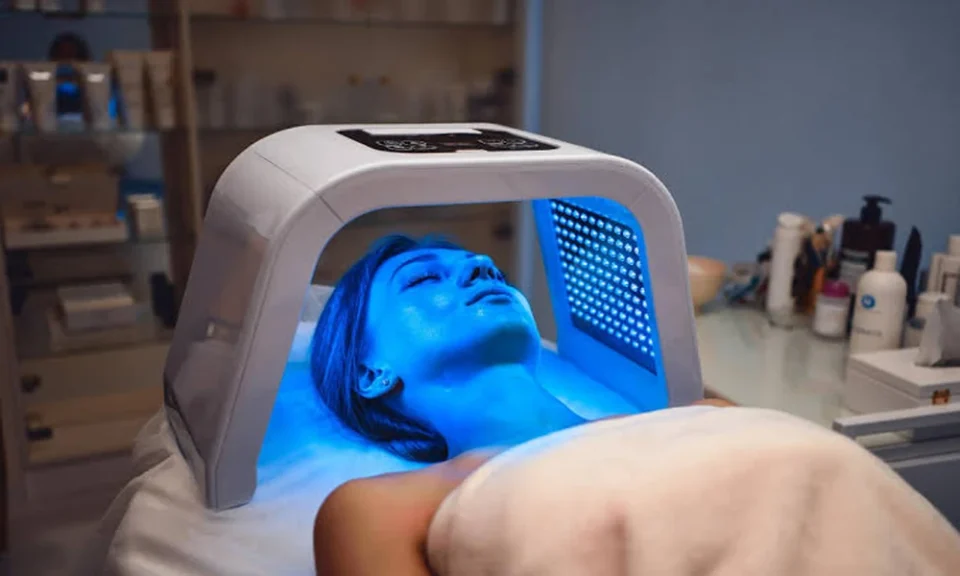
You notice a cluster of red spots on your forehead just before an important event. Your skincare routine has not changed, yet the breakouts keep returning. While searching for options, you come across blue light devices that claim to target acne-causing bacteria. The idea sounds simple, but how does light affect the skin, and what can research actually tell us about the results?
Key Takeaways
- Acne develops through several factors, including excess oil, blocked pores, inflammation, and the growth of acne-associated bacteria.
- Blue light may affect Cutibacterium acnes, a bacterium linked to acne inflammation.
- Research suggests that blue light may help some people with mild to moderate inflammatory acne, but results vary.
- Home devices may differ from those used in clinical studies in their light output, treatment time, and design.
- Blue light is not a guaranteed cure and may work best as part of a wider acne care plan.
How Light Interacts With Acne Bacteria
Acne begins inside the hair follicles. Excess oil and dead skin cells can block these small openings, creating conditions that encourage breakouts. A bacterium called Cutibacterium acnes lives naturally on the skin, but its activity can contribute to inflammation in acne-prone follicles.
Blue light therapy works differently from topical acne products. Certain wavelengths can activate light-sensitive compounds associated with these bacteria. This process may produce reactive molecules that damage bacterial cells. Researchers have studied this effect because it offers a way to target acne-associated bacteria without relying only on creams or oral medication.
Still, bacteria are only one part of acne. Hormonal changes, oil production, blocked pores, and the body’s inflammatory response also influence breakouts. Reducing bacterial activity may help some lesions, but it does not address every cause. This explains why one person may notice fewer inflamed spots while another sees little change.
What Clinical Research Tells Us
Studies of blue light therapy have reported improvements in some cases of mild to moderate inflammatory acne. However, the strength of the evidence varies. Research methods differ, and studies may use different wavelengths, exposure times, treatment schedules, and devices. Some also combine blue light with other treatments, making it harder to measure the effect of light alone.
The type of acne matters, too. Red, inflamed pimples may respond differently from blackheads, whiteheads, or deep, painful nodules. Light treatment should not be expected to work equally well for every form of acne.
Results also take time to assess. A single session is unlikely to provide lasting changes, and repeated use does not guarantee better outcomes. More consistent, well-designed studies are needed to clarify which patients benefit most, which settings work best, and how long improvements may last.
Where Blue Light May Fit Into Skincare
For someone exploring non-drug options, blue light therapy may offer another way to support acne care. Its role is best viewed as a possible addition to an appropriate skincare plan, rather than a replacement for established treatments.
Understanding the Role of Blue Light Therapy
At-home blue light therapy devices vary in wavelength, intensity, coverage, and recommended use. A device’s advertised claims do not prove that it delivers the same exposure used in clinical research. Follow the manufacturer’s instructions, protect your eyes as directed, and avoid extending sessions in the hope of speeding up results.
Light exposure may cause dryness, redness, or discomfort in some users. People with light-sensitive conditions or those taking medicines that increase sensitivity should seek medical advice before starting treatment. If a device irritates, stop using it and assess the reaction before considering further sessions.
Why Acne Can Persist Despite Light Treatment
Even if bacterial activity decreases, clogged pores and excess oil may continue to cause new spots. This is why a balanced routine remains important. A gentle cleanser helps remove dirt and excess oil, while a non-comedogenic moisturiser supports the skin barrier. Sunscreen helps protect skin from UV damage and reduces the risk of dark marks becoming more noticeable.
Ingredients such as benzoyl peroxide and salicylic acid can help manage different aspects of acne. However, they may irritate the skin if used too often or combined carelessly. Introduce active ingredients gradually and follow product directions.
Avoid squeezing spots, as this can worsen inflammation and raise the risk of scarring. If acne is painful, widespread, leaving scars, or not improving with home care, a dermatologist can recommend suitable treatment. Deep nodules and cysts often need professional care rather than light devices alone.
Setting Realistic Expectations
Blue light research offers a useful area of study, but it does not support the idea that light can clear every breakout. Outcomes depend on the type of acne, the device, the treatment schedule, and other skincare habits.
A thoughtful approach begins with understanding what causes your breakouts and choosing care that addresses those factors. Light-based treatment may have a place in that plan, but lasting acne management usually requires more than targeting bacteria alone.
