
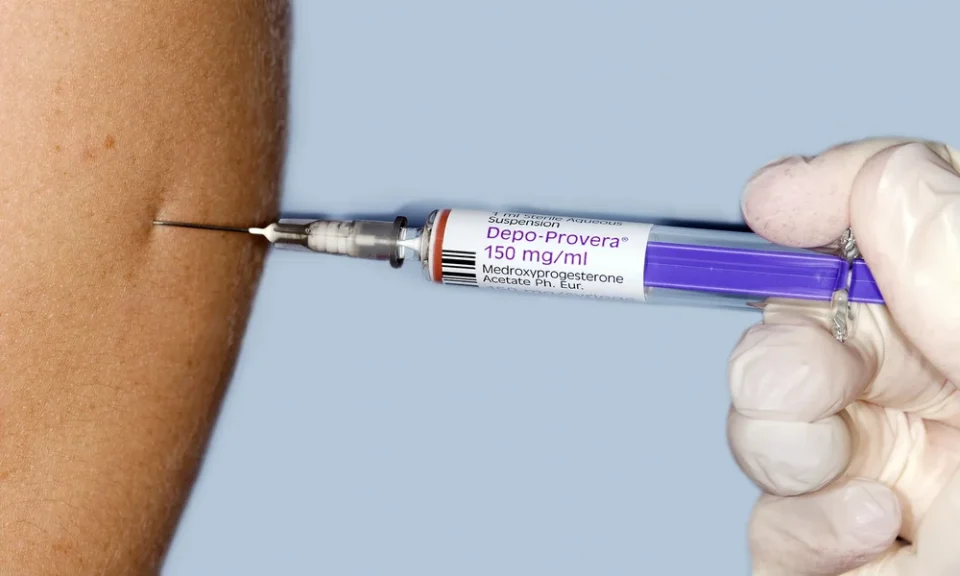
Choosing a contraceptive method is a personal healthcare decision. Some people prefer a method that does not require remembering a tablet every day, while others may want an option that can be discontinued without a procedure.
Norifam (norethisterone enanthate and estradiol valerate) is a prescription hormonal contraceptive given by injection. The Philippine Food and Drug Administration lists the product as a hormonal contraceptive and prescription medicine.
Because it contains both a progestin and an estrogen, it belongs to a category known as combined injectable contraceptives. Understanding how this type of contraception functions, its usual scheduling approach, possible side effects, and the medical conditions that can affect suitability can help patients have a more useful discussion with a healthcare professional.
Only for the treatment of conditions diagnosed by a physician.
What Is Norifam?
Norifam injection is a combined hormonal contraceptive. Unlike contraceptive pills that are swallowed, combined injectable contraceptives deliver estrogen and progestin through an injection.
The Philippine family-planning clinical standards identify the combination of norethisterone enanthate and estradiol valerate as a combined injectable contraceptive available locally under the Norifam brand.
The important distinction is that this is not the same type of medicine as every other contraceptive injection. Some injectable contraceptives contain only a progestin, while combined injectables contain both a progestin and an estrogen.
Those differences matter because the benefits, potential side effects, medical eligibility considerations, and recommended follow-up can vary between contraceptive methods.
How Does Norifam Work?
Combined injectable contraceptives primarily prevent pregnancy by suppressing ovulation, meaning they interfere with the release of an egg from the ovaries. World Health Organization family-planning guidance describes prevention of ovulation as their main contraceptive mechanism.
Hormonal contraceptives can also produce changes elsewhere in the reproductive system that support their contraceptive effect.
This does not mean every hormonal contraceptive is interchangeable. Individual health history matters when selecting a method containing estrogen and progestin.
A healthcare professional may therefore review factors such as cardiovascular health, previous medical conditions, current medicines, pregnancy possibility, smoking history, migraine history, and other circumstances before determining whether a combined hormonal method is appropriate.
How Often Is This Type of Injectable Contraceptive Used?
Norifam belongs to the category generally described in family-planning guidance as monthly combined injectables.
That description should not be treated as a personalized schedule.
Correct timing is important for maintaining contraceptive effectiveness, and a patient’s circumstances may affect what a healthcare professional recommends. Anyone who has delayed an appointment, missed an expected injection, or is uncertain about the next scheduled administration should seek professional guidance rather than trying to calculate a new schedule independently.
The World Health Organization also notes that contraceptive effectiveness can be affected when scheduled injections are substantially delayed.
What Side Effects May Occur?
Hormonal contraception can cause side effects, although experiences vary considerably between individuals.
One of the most frequently discussed changes with combined injectable contraceptives involves menstrual bleeding. WHO guidance notes that users may experience lighter bleeding, fewer bleeding days, irregular bleeding, or less frequent bleeding.
Other symptoms associated with combined hormonal contraception can occur as well.
Some changes may be temporary and manageable, while others deserve prompt medical evaluation. A person considering a Norifam injectable should receive information about expected effects and warning signs relevant to their personal medical history.
Unusual or severe symptoms should not simply be assumed to be a normal consequence of contraception.
Who May Need Additional Medical Assessment?
Combined hormonal contraceptives are not suitable for everyone.
Current WHO medical eligibility guidance evaluates contraceptive safety according to health conditions and personal characteristics. This is particularly important for contraceptive methods containing estrogen.
Before choosing an injectable contraceptive, patients should provide an accurate health history. Topics worth discussing with a healthcare professional include:
- Current and previous medical conditions
- Previous blood-clotting problems
- Cardiovascular or blood-pressure concerns
- Migraine history
- Liver-related conditions
- Smoking and other relevant lifestyle factors
- Recent pregnancy or childbirth
- Current prescription and non-prescription medicines
- Previous reactions to hormonal contraception
- Any unexplained or unusual bleeding
These questions are intended to determine whether the method fits the individual’s health profile rather than simply whether the contraceptive is convenient.
Does Norifam Protect Against Sexually Transmitted Infections?
No hormonal contraceptive injection should be relied upon for protection against sexually transmitted infections.
Preventing pregnancy and reducing the risk of sexually transmitted infections are separate healthcare considerations. Someone who needs protection against both should discuss appropriate barrier protection and sexual-health screening with a qualified healthcare professional.
This distinction is important because successful contraceptive use does not automatically provide protection against infections transmitted through sexual contact.
What Should You Ask Before Choosing an Injectable Contraceptive?
A contraceptive consultation is more useful when patients arrive with clear questions.
Rather than focusing only on convenience, ask about how the method fits your health history, what changes you might notice, what symptoms require medical attention, what happens if an appointment is delayed, and whether any medicines you currently use could affect your contraceptive choices.
It may also be useful to discuss alternative methods. An injectable contraceptive can be convenient for some people, but another option may fit better depending on personal preferences, health considerations, plans for pregnancy in the future, and tolerance for possible menstrual changes.
a PRC-licensed doctor reviews every request.
Making an Informed Contraceptive Choice
The main benefit of understanding Norifam is not simply knowing the name of the medicine. It is understanding where it fits among available contraceptive choices.
Norifam is a prescription combined hormonal injectable containing norethisterone enanthate and estradiol valerate. Philippine regulatory information identifies it as a hormonal contraceptive, while family-planning guidance places this hormonal combination in the monthly injectable category.
However, suitability depends on more than convenience. Medical history, potential contraindications, side effects, other medicines, and the ability to maintain appropriate follow-up all deserve consideration.
Anyone interested in this contraceptive should discuss those factors with a qualified healthcare professional and rely on approved product information for guidance specific to their circumstances.
Learn More About Your Options
If you are considering Norifam (norethisterone enanthate and estradiol valerate), you can visit NowExpress.ph to learn more about availability and current pricing information for prescription medicines.
If you need medical guidance before choosing a contraceptive method, you can also visit NowServing.ph to connect with an appropriate healthcare professional. A PRC-licensed doctor reviews every request.
Only for the treatment of conditions diagnosed by a physician.
