
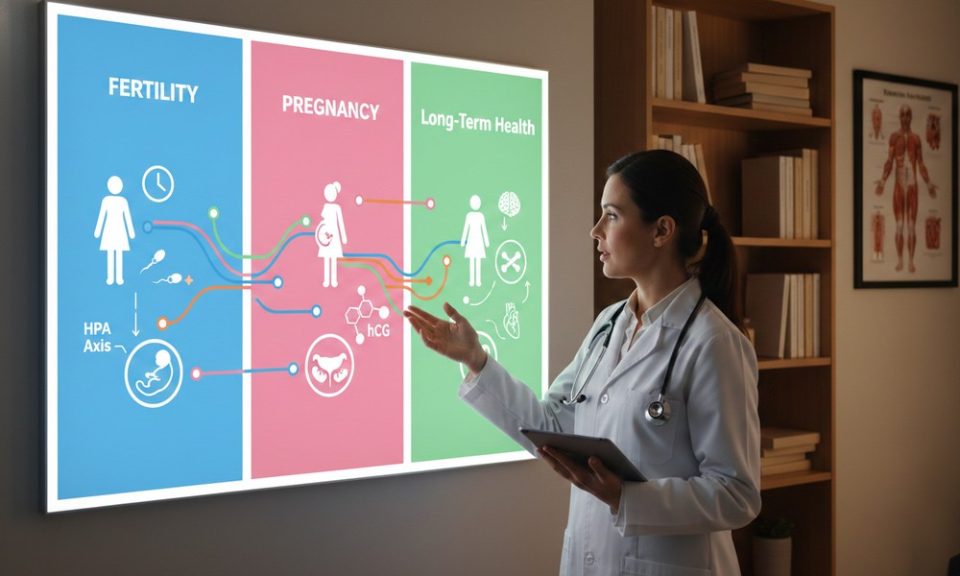
Hormones shape nearly every stage of a woman’s reproductive life. From puberty to menopause, these chemical messengers regulate menstrual cycles, affect fertility, and influence how the body responds to pregnancy and recovery. Even small hormonal shifts can impact physical health, emotional well-being, and long-term wellness.
Understanding how hormones work is helpful for far more than conception. It gives women the knowledge to make informed decisions about their health at every stage of life. Whether someone is dealing with irregular cycles, preparing for pregnancy, or adjusting after childbirth, hormonal balance plays a major role in both short-term and long-term health.
The Role of Hormones in the Female Reproductive System
Hormones act as signals that guide the reproductive system through a series of complex processes. The primary hormones involved include estrogen, progesterone, luteinizing hormone (LH), and follicle-stimulating hormone (FSH). Together, they regulate ovulation, menstruation, and the preparation of the uterus for pregnancy.
Estrogen helps thicken the uterine lining and supports egg development. Progesterone then helps maintain that lining after ovulation. If pregnancy does not happen, hormone levels fall, and menstruation begins. When this balance is disrupted, cycles may become irregular, ovulation may stop, and fertility can suffer.
Hormonal imbalances can develop for several reasons, including polycystic ovary syndrome, thyroid disorders, and stress-related changes. Early evaluation and targeted care, such as the services offered by Newton-Wellesley Obstetrics & Gynecology, often focus on identifying these hormone imbalances and restoring stability to support reproductive health.
How Hormones Shape Pregnancy Outcomes
Once pregnancy begins, hormones take on an even bigger role. Human chorionic gonadotropin, or hCG, along with progesterone and estrogen, rises to support fetal development and maintain the uterine environment. These hormones also affect the mother’s metabolism, immune response, and cardiovascular function.
When hormone levels fall outside the expected range, complications can follow. Low progesterone, for example, has been linked to early pregnancy loss, while unusual hormone patterns may point to conditions such as gestational diabetes or preeclampsia. Monitoring these changes helps healthcare providers step in early when needed.
In higher-risk pregnancies, specialized care becomes especially important. A high-risk pregnancy doctor may monitor hormone levels closely to help keep both maternal and fetal health stable throughout pregnancy.
Hormonal Balance and Fertility
Fertility depends on precise hormonal timing. Ovulation happens only when hormonal signals line up correctly, and even minor disruptions can make conception harder. Low progesterone may leave the uterine lining unable to support implantation, while irregular estrogen levels can interfere with egg development.
Many fertility challenges are tied to hormonal issues that can be identified through bloodwork and cycle tracking. Treatment may include lifestyle changes, medication, or assisted reproductive options.
For people exploring alternatives to natural conception, clinics such as Perch Fertility offer treatments like intrauterine insemination, or IUI, and fertility preservation. These approaches often work alongside hormonal regulation strategies to improve the chances of conception while helping preserve reproductive options for the future.
The Postpartum Hormonal Shift
After childbirth, hormone levels change quickly. Estrogen and progesterone drop sharply, while prolactin rises to support milk production. That sudden shift can affect mood, energy, and physical recovery.
Many women experience emotional ups and downs during this time, often called the baby blues. For some, more serious conditions such as postpartum depression can develop, influenced by hormonal changes as well as physical and emotional stress.
Recovery during this phase involves more than rest alone. Hormone levels gradually stabilize, but strong support systems matter. Medical providers, mental health professionals, and lactation specialists can all help women adjust during this transition.
Hormones and Breastfeeding
Breastfeeding is closely linked to hormonal activity, especially prolactin and oxytocin. Prolactin supports milk production, while oxytocin helps release milk during feeding. These hormones also support bonding between mother and baby.
Still, challenges such as low milk supply or difficulty latching can sometimes be tied to hormonal or physical factors. Addressing those concerns early can make a meaningful difference in the breastfeeding experience.
Organizations such as Corporate Lactation Services offer lactation consulting and workplace breastfeeding support. These services can help mothers manage common challenges while balancing recovery, daily responsibilities, and the transition back to work.
The Impact of Lifestyle on Hormonal Balance
Daily habits can strongly influence hormone levels. Nutrition, sleep, physical activity, and stress management all affect how well hormones are produced and regulated. Diets rich in whole foods, healthy fats, and key nutrients can support hormonal health.
Chronic stress can disrupt the endocrine system by raising cortisol levels. That can interfere with ovulation, menstrual cycles, and overall reproductive function. Poor sleep can also disrupt hormone release patterns, making imbalances harder to correct.
Small, consistent changes, such as improving sleep, cutting back on processed foods, and exercising regularly, can have a real impact over time. These habits often work best alongside appropriate medical care and can improve overall outcomes.
Hormonal Health Beyond Reproduction
Hormones affect much more than fertility and pregnancy. They also influence bone density, heart health, metabolism, and cognitive function. Estrogen, for example, helps maintain bone strength, and its decline later in life can raise the risk of osteoporosis.
Hormonal imbalances may also contribute to insulin resistance, weight changes, and chronic fatigue. These problems can develop gradually and are sometimes missed until they begin to interfere with everyday life.
Preventive care and routine evaluations are an important part of long-term hormonal health. Clinics such as GrandForksClinic.com provide women’s wellness services that address both reproductive concerns and broader health needs, helping patients manage symptoms before they become more serious.
When to Seek Professional Support
Knowing when hormonal changes need medical attention is an important part of protecting long-term health. Irregular periods, severe menstrual pain, unexplained weight changes, and difficulty conceiving can all point to an underlying issue.
Early evaluation often leads to more effective treatment and can help prevent complications later on. Hormonal testing, imaging, and a careful review of medical history can provide a clearer picture of what is happening in the body.
Working with qualified healthcare providers helps ensure care is tailored to each person’s needs. That is especially important for women managing fertility challenges, pregnancy, or ongoing health concerns related to hormonal balance.
Conclusion
Hormones influence nearly every aspect of a woman’s health, from fertility and pregnancy to postpartum recovery and long-term wellness. Their effects are complex and deeply connected, even when they are not immediately obvious.
By understanding how these processes work and seeking care when needed, women can take a more informed and proactive approach to their health. Hormonal balance is not only about reproduction. It supports overall well-being at every stage of life.
