
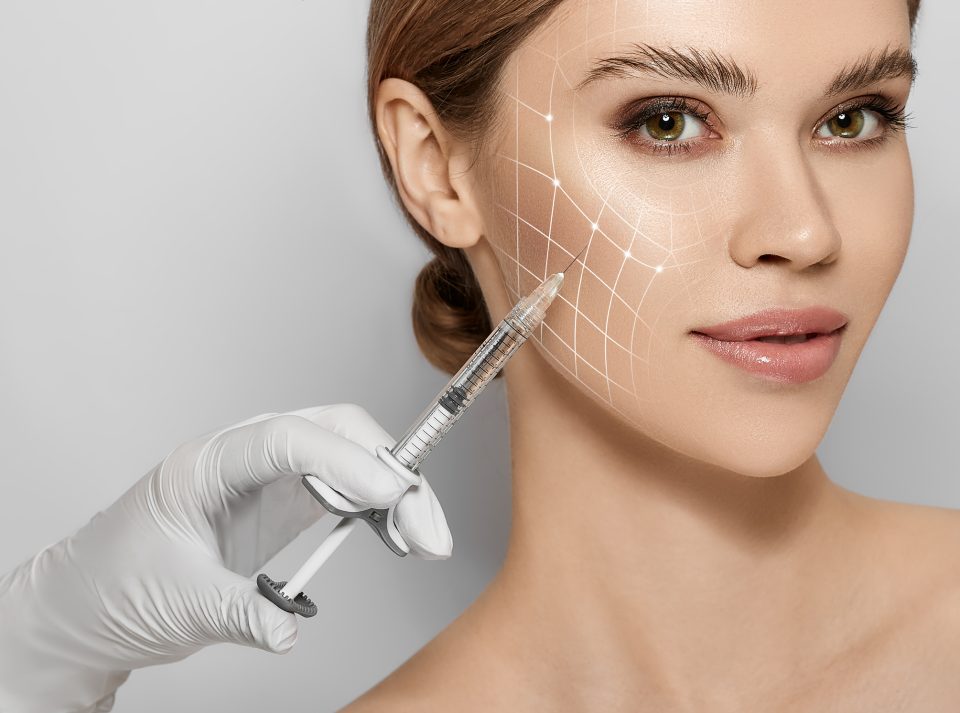
Polynucleotide therapy has moved from a niche regenerative treatment into mainstream aesthetic clinics over the past few years, largely on the back of interest from Korean dermatology, where it originated. Unlike dermal fillers, which add volume, or toxin injections, which relax muscles, polynucleotides work at the level of skin quality itself — which makes them a genuinely different category of treatment worth understanding on its own terms.
What polynucleotides are
Polynucleotides are fragments of DNA, typically purified from natural sources such as salmon or trout, that have long been studied in regenerative medicine for their role in tissue repair. When injected into the skin, they act as a signal that encourages the skin’s own fibroblast cells to become more active — supporting the production of collagen and elastin and improving the skin’s capacity to hold moisture. The aim isn’t to add volume from the outside, but to improve the underlying quality and resilience of the skin from within.
What it’s used for
Because the effect is about skin health rather than shape, polynucleotide therapy is typically positioned for concerns such as:
- Fine lines and crepey texture, particularly under the eyes and around the mouth
- Dehydrated, dull-looking skin that doesn’t hold hydration well
- Skin laxity and loss of bounce, especially post-weight-loss or with age
- Scarring, including some acne scarring, where improved tissue quality can soften the appearance
- General skin resilience and recovery support after other procedures
It’s often described by practitioners as a “skin conditioning” or “bio-remodelling” treatment rather than a wrinkle-filling one, and results tend to show up as an overall improvement in glow, hydration and firmness rather than a dramatic single-feature change.
What a session and course typically involve
Treatment usually involves a series of small injections across the treatment area — commonly the under-eye area, cheeks, neck, or hands — using either a fine needle or a cannula, depending on the area and practitioner preference. Most clinics recommend a course rather than a single session, often around three sessions spaced two to four weeks apart, followed by maintenance treatments every several months to sustain the effect, since the biological stimulation builds cumulatively rather than instantly.
Mild swelling, redness or small bumps at the injection sites are common in the first day or two, and some people notice a subtle “puffy” appearance for 24–48 hours before the product fully integrates into the tissue. Bruising is possible but usually minor. Because the product itself is not a filler, there is typically no sudden shape change to adjust to — the improvement is gradual and cumulative across the course.
How it differs from similar-sounding treatments
It’s easy to lump polynucleotides in with other injectable “skin boosters,” but the mechanism is distinct. Hyaluronic acid skin boosters primarily add hydration directly; polynucleotides instead stimulate the skin’s own repair processes, which is why practitioners often talk about them in terms of regeneration rather than hydration alone. Some clinics combine the two approaches, but they are not interchangeable, and a good consultation should explain which mechanism is actually being offered rather than using the terms loosely.
Setting realistic expectations
As with most regenerative treatments, patience is part of the process. Initial hydration and glow can be noticeable within a week or two, but the deeper improvements in skin firmness and texture that come from genuine collagen support typically take longer to become apparent, often building over the full course of treatments and continuing for weeks after the final session.
Finding an appropriately qualified provider
Because polynucleotide therapy sits closer to regenerative medicine than conventional cosmetic injecting, provider expertise is worth scrutinising. Clinics affiliated with established polynucleotide brands — for example, Dr L’Art’s polynucleotide therapy service in London, led by a doctor working with Rejuran’s Korean polynucleotide range — reflect the kind of specialist partnership worth looking for when researching where to have this type of treatment done.
The bottom line
Polynucleotide therapy is best understood as an investment in skin quality rather than a quick fix for a specific line or wrinkle. For the right candidate — someone dealing with dehydrated, tired-looking or lax skin — a properly spaced course, delivered by an experienced practitioner, can produce a genuinely different kind of improvement than fillers or toxin alone.
