
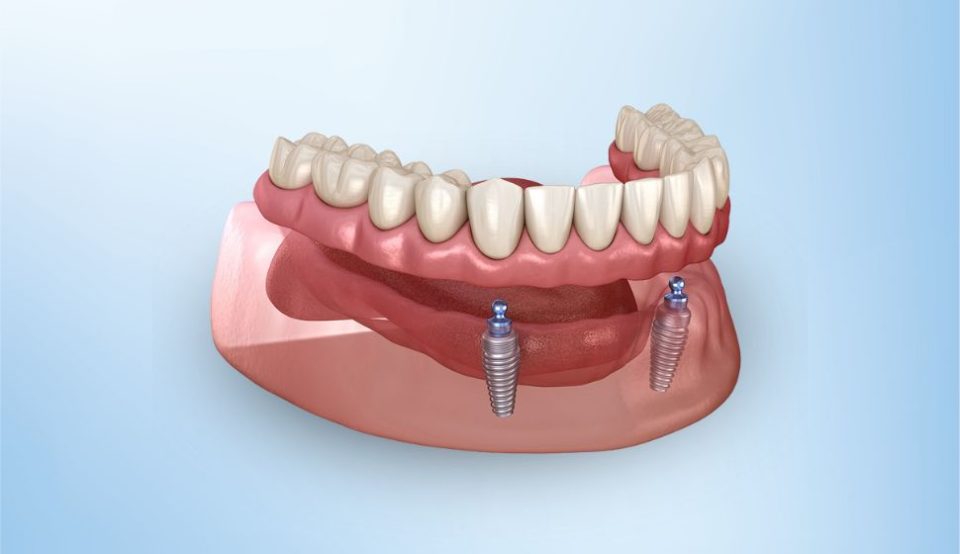
Missing teeth can be embarrassing due to edentulous spaces that steal away the spark from your smile. The cosmetic dentist in Cotswold, Charlotte, and their team of expert prosthodontists offer state-of-the-art prosthetics to replace missing teeth. In this article, we will learn about overdentures and the types, benefits, and procedures involved.
What are overdentures?
Overdentures are a type of denture that is placed over existing teeth or dental implants to provide additional support and stability. They are a popular option for individuals who have lost some but not all of their natural teeth, or for those who have experienced significant tooth loss due to decay, gum disease, or injury. In this article, we will explore the benefits and drawbacks of overdentures, the different types available, and what to expect during the treatment process.
What are the types of overdentures?
There are several types of overdentures, including:
- Tooth-supported overdentures: These overdentures are placed over existing natural teeth, which provide support and stability.
- Implant-supported overdentures: These overdentures are placed over dental implants, which provide additional support and stability.
- Hybrid overdentures: These overdentures combine elements of both tooth-supported and implant-supported overdentures.
- Fixed overdentures: These overdentures are permanently attached to the surrounding teeth or implants and cannot be removed by the patient.
- Removable overdentures: These overdentures can be removed by the patient for cleaning and maintenance.
- Immediate overdentures: These overdentures are placed immediately after tooth extraction, allowing the patient to have a full set of teeth during the healing process.
- Interim overdentures: These overdentures are temporary and used during the healing process or while waiting for a permanent overdenture to be created.
- Cast metal overdentures: These overdentures have a metal framework for added strength and support.
- Flexible overdentures: These overdentures are made from flexible materials, such as nylon or acrylic, for added comfort.
- Overdentures with precision attachments: These overdentures use precision attachments for added retention and stability.
What benefits do overdentures offer?
The benefits of overdentures include:
- Improved chewing and speaking abilities
- Increased confidence and self-esteem
- Enhanced appearance and natural-looking smile
- Additional support and stability for surrounding teeth and gums
- Preservation of natural teeth and jawbone
- Reduced risk of further tooth loss
- Improved oral health and hygiene
- Customizable to individual needs and preferences
- Can be used in conjunction with dental implants or natural teeth
- Versatile and adaptable to changing oral conditions
- Can help distribute the forces of chewing and speaking more evenly
- Can reduce gum irritation and discomfort
- Can improve the overall quality of life
- Can be more cost-effective than other tooth replacement options
- Can be a temporary or permanent solution depending on the type of overdenture.
How are overdentures fabricated?
The treatment process for overdentures typically involves the following steps:
- Consultation and assessment: The dentist evaluates the patient’s oral health and determines if overdentures are a suitable option.
- Impressions and measurements: Impressions of the mouth and measurements of the jaw are taken to create a customized overdenture.
- Try-in: A temporary overdenture is placed to ensure proper fit and function.
- Final placement: The final overdenture is placed and adjusted as needed.
- Follow-up appointments: Regular follow-up appointments are scheduled to check the fit and function of the overdenture.
- Adjustments: Any necessary adjustments are made to ensure a comfortable and secure fit.
- Maintenance: Regular cleaning and maintenance instructions are provided to ensure the longevity of the overdenture.
Additionally, if dental implants are being used to support the overdenture, the following steps may be included:
- Implant placement: Dental implants are surgically placed into the jawbone.
- Healing period: A healing period of several months is allowed for the implants to integrate with the jawbone.
- Abutment attachment: Abutments are attached to the implants to connect the overdenture.
- Overdenture attachment: The overdenture is attached to the abutments or implants.
Final note
Overdentures offer a versatile and effective solution for individuals with partial tooth loss. By understanding the benefits, types, and treatment processes, individuals can make informed decisions about their oral health. With proper care and maintenance, overdentures can provide years of comfortable, confident smiling.
