
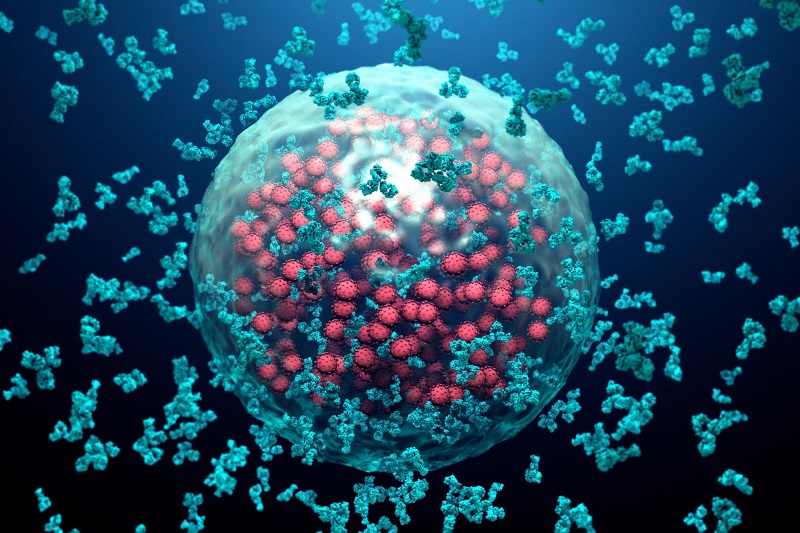
In the far-reaching and intricate earth of cellular biology, a particular term that’s catching the interest of experts and enthusiasts alike is “zombie cells.” These intriguing bodies, more formally known as old cells, have inspired considerable conversation in scientific circles. But what exactly are zombie cells, and reason do they matter?
Let’s dive into the fascinating realm of these seemingly possessed cells and explore the features that make them both a potential warning and a key to understanding aging and age-related afflictions.
What Are Zombie Cells?
Zombie cells, or old cells, are cells that have stopped dividing and help the growth and repair processes of the body. However, alternatively dying off as healthful cells endure, they remain in the body tense akin to oblivion.
This “living dead” nature is where they collect their moniker. While they might sound like something lacking a horror flick, zombie containers are very real and could be concealed in your body immediately.
Features and Characteristics
· Cellular Arrest
One of the hallmark features of old cells is their state of lasting cell cycle arrest. Essentially, these cells stop dividing but refuse to sustain programmed container death, known as apoptosis.
This may be beneficial step by step, as it prevents damaged or conceivably cancerous containers from proliferating. However, when they accrue extravagantly, they can help tissue dysfunction and redness.
· Senescence-Associated Secretory Phenotype
Perhaps the ultimate meaningful feature of zombie containers is their ability to emit a beverage of inflammatory cytokines, growth factors, and proteases, together famous as the Senescence-Associated Secretory Phenotype.
This release can have a ripple effect, doing surrounding cells and potentially superior to chronic inflammation, tissue damage, and even the spread of senescence to adjacent healthy cells.
· Resistance to Apoptosis
Zombie cells exhibit enhanced fighting to apoptosis, which is cell end-of-life that typically helps the frame eliminate containers that are no longer functioning optimally. This resistance causes them to persist tissues over time, contributing to miscellaneous age-related environments.
· DNA Damage Response
Zombie cells often bring hope to DNA damage. This damage triggers a complex indicating cascade that halts the cell division phase, leading to their senescent state. The appearance of DNA damage markers is a coarse way to identify these cells in research settings.
Conclusion
While zombie cells’ abilities sound alarming, they show a promising frontier in the study of decline and longevity. By untangling their secrets, researchers have in mind to develop creative treatments that could reinforce the quality of existence as we age.
Though not essential knowledge for all, understanding zombie cells gives us a fascinating glimpse into the complex planet of cellular biology and the elaborate dance between life and death that occurs inside our very own bodies.
