
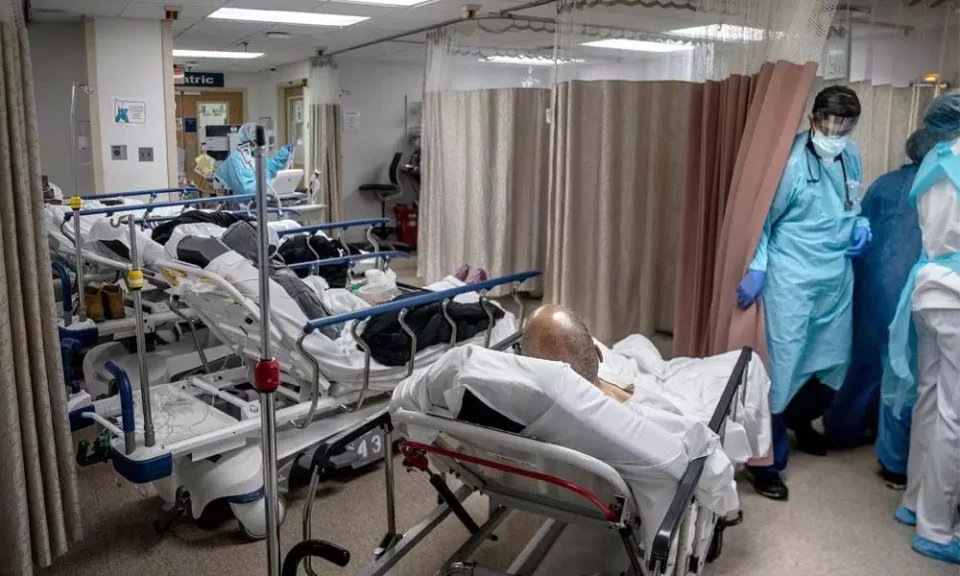
Emergency rooms in San Antonio, like those across the country, operate on a system designed to save lives rather than serve patients in the order they arrive. Many residents check a hospital’s website before visiting to estimate wait times, only to be surprised when the experience differs. Understanding why waiting times fluctuate and why critical cases are always treated first sets realistic expectations in times of medical emergencies.
How Does The Triage System Work?
The moment a patient shows up in any emergency room in San Antonio, triage is the first order of operation. This process, done by specially trained medical personnel, involves a rapid determination of symptoms, vital signs, and danger level present at the immediate moment. It is not about determining the sequence of arrival but determining who needs care the fastest.
An individual who has chest pain, difficulty breathing, or stroke-like symptoms will have precedence in order of treatment over others who have been waiting longer. Conditions such as minor cuts, mild fever, or sprains may be put into a category of lower urgency. Through this system, life-threatening issues are dealt with quickly, often with a vast improvement in patient outcomes.
Can Waiting Times Suddenly Change?
The answer is Yes! One reason ER wait times in San Antonio seem unpredictable is that emergencies happen without warning. A quiet emergency room can rapidly become busy if several ambulances arrive within minutes of each other. While high-priority patients are moved to treatment areas as soon as possible, other patients may be asked to wait longer.
Besides that, some conditions necessitate the use of special equipment or a certain number of medical professionals. When those resources are in use on critical patients, patients with non-emergent conditions may have longer wait times. The nature of emergency medicine is so unpredictable that wait times can change many times within an hour.
Impact Of Seasonal And Local Health Trends
San Antonio has certain seasonal health patterns that influence the flow of patients in the ER: In summer, heat-related illnesses, such as dehydration and heat exhaustion, increase hospital admissions. During spring, acute allergies and flare-ups of asthma are also common. Flu and RSV, together with respiratory complications, generally characterize winter.
These spikes translate into bigger volumes of patients, and even the non-emergency cases add to extended wait times for all patients. Emergency departments have to continually balance patient flow, but it must be done so that patients in immediate danger will be given priority care.
Ambulance Arrivals: What’s Their Role?
Ambulance patients are usually critical or semi-critical and often skip the waiting room altogether. Even though their cases may not involve an instantly life-threatening problem, hospital policy dictates immediate attention. Consequently, multiple ambulance arrivals in quick succession can suddenly divert the staff’s attention away from the walk-in patients. This dynamic is furthered by the dense traffic patterns and frequent road accidents in San Antonio.
Cases involving trauma automatically raise the level of priority; these situations also often require large teams of medical professionals, leaving fewer available to see non-urgent patients. Why Transparency Matters. Recently, healthcare systems in San Antonio have focused on delivering more transparency regarding wait times, estimated delay times, and even the process of triaging. While these digital tools and estimates may help set expectations, they cannot anticipate sudden emergencies or resource limitations.
Understanding the factors contributing to long waits helps patients navigate the situation with more clarity and less frustration. Those conditions that need immediate attention, such as chest pain, difficulty breathing, severe bleeding, and sudden confusion, always warrant a visit to the emergency room. For other less urgent medical needs, many residents do explore alternatives, but the emergency rooms remain vital for truly critical situations.
Most San Antonio hospitals offer real-time updates through their website, but patients should remember that these estimates can change quickly when critical cases arrive.
