
People may not feel any bacterial infection presence from Lyme disease transmitted through ticks if they do not protect themselves against tick bites. The knowledge of Lyme disease stages lets people recognize initial signs for prompt severe consequences prevention. This piece outlines the progression of Lyme disease, including symptom identification guidelines and protective strategies.
During the First Few Weeks of Infection, the Disease Manifests as Early Localized Infection in Stage One
The first Lyme disease stage creates itself following a tick bite during three days to thirty days. You might notice:
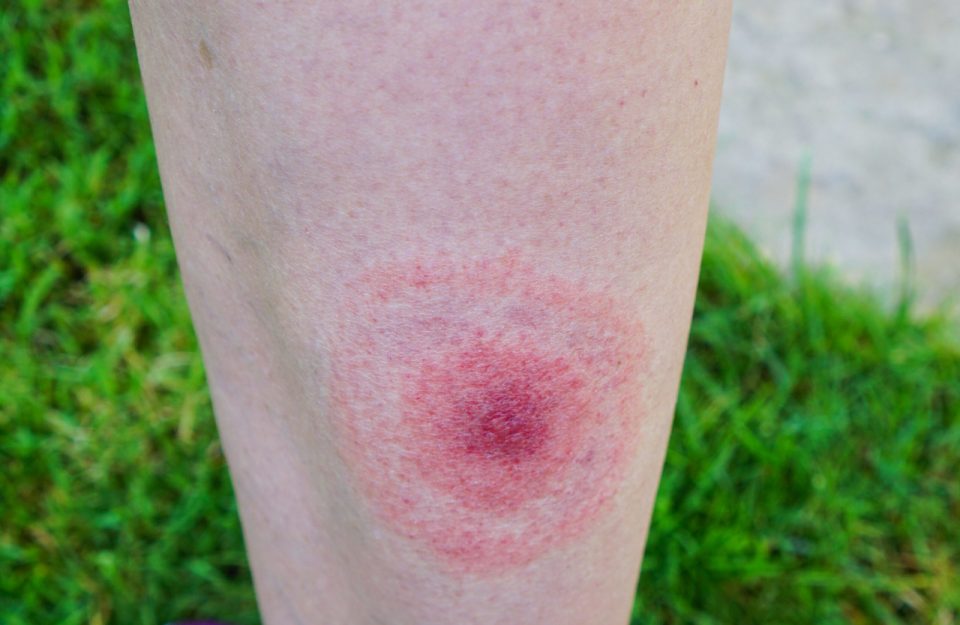
- The round red rash resembles the visual appearance of a bull’s-eye pattern
- A bull’s eye pattern has a circular red rash in the center surrounded by a clear circle and an outer red circle
- Fever and chills
- Body aches and headaches
Here are symptoms that appear without obvious explanation: feeling fatigued without reason. Erythema migrans occur as an infective rash which is common among 70-80% of people with Lyme disease. Such spots are generally not itchy or painful, although they might feel mildly warm to the touch. Cases of Lyme disease become harder to detect through early diagnosis because specific individuals completely miss out on developing a rash.
The positive aspect of early treatment with antibiotics, after symptoms start, helps most patients achieve complete recovery during this period.
Early Disseminated Infection Ensues in Weeks to Months After the Patients at Stage 2
Unattended Lyme disease can travel throughout your entire body. The second stage of Lyme disease introduces various health problems which affect individuals.
- New rashes continue to appear throughout the body.
- Tetraplegia due to an infection affecting one side of the face also makes one uncomfortable with half of his or her face.
- Stiff neck, headaches, or signs of meningitis heartbeat irregularity combined with chest discomfort appears as symptoms within the heart.
- The major joint pain tends to affect the knees specifically, followed by additional large joints.
The disease produces additional health problems, which may include memory difficulties and concentration issues. The therapeutic effectiveness remains available, although patients need medicine through intravenous methods and longer duration or more substantial antibiotic doses in this state of illness.
An unusual symptom following a tick bite must be checked even if its relation to the bite feels unclear to you.
The Third Stage of Lyme Disease Does Not Arise For Months
Most of the time, the knees are painful due to joint pain and severe swelling. The infection causes drooping part of one side of your face as a result of the face paralysis.
In the case of Lyme disease progression, the main affected area is the knees with both severe joint pain and major swelling.
- Chronic numbness or tingling
- Ongoing memory issues or “brain fog.”
- Trouble sleeping or concentrating
After treatment of Lyme disease, some patients develop Post-Treatment Lyme Disease Syndrome (PTLDS which causes symptoms such as persistent fatigue and joint pain. People experience untreated Lyme disease mainly due to the lack of scientific understanding of its cause. Managing symptoms, therefore, takes priority.
How to Prevent Lyme Disease
Avoiding tick contracts offers the highest level of safety protection. Here’s how:
- Protection from Lyme disease development requires long sleeve and pant clothing during exposure to wooded and grassy environments.
- Use insect repellents with DEET.
- After spending time outdoors, you should thoroughly examine your body.
- The best prevention for ticks is to take a bath right after going outside. This process eliminates hidden ticks from your body.
When you locate a tick, you should remove it slowly by using small-pointed tweezers while keeping the removal process complete. The need for quick action yields significant outcomes.
Learning about the different stages of Lyme disease prevents severe pain as well as emotional stress. Being aware outside while taking quick action for any symptom onset and consulting medical help when you suspect a tick bite. A small amount of education maintains a strong influence on your overall health condition.
